
"1732 coffee planting"
200 article(s) found

St. Helena Coffee Price Variety Roast Degree Grind Scale Method Introduction
We trace the history of St. Helena coffee to the discovery of St. Helena Island, an unnamed island discovered by Portugal warships in 1502 and named St. Helena Island, which was used for hundreds of years as a supply station for fleets on voyages to Asia, or as a convalescent place for sailors. In 1732, the British East India Company acquired bourbon coffee trees from Yemeni mocha.

Absolute pure organic coffee native species of St. Helena Coffee, the most expensive and least yielding coffee in the world.
St. Helena Coffee comes from St. Helena Island, a remote island and is famous for a famous figure who shocked the world. He was Napoleon, the founder of the first empire of France. The sad, romantic Frenchman spent the last days of his life here, saying that the only good thing on St. Helena was coffee, and he begged for a cup of Saint on his deathbed.
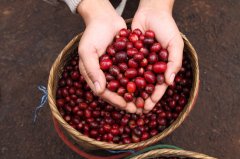
One of the most expensive coffee in the world-St. Helena Coffee country
St. Helena is a volcanic island in the South Atlantic Ocean, belonging to the United Kingdom, far away from Africa and the Americas, the island is worthy of the name suspended at sea. The island is inaccessible, with a population of only about five or six thousand, and it is sparsely populated, so there are many strange animals and plants on the island. Darwin once said that the island is a paradise for species. In any way, the island is not very prominent.

Coffee Origin-Saint Helena
Napoleon thought the only good thing coming out of this island was coffee.

Introduction to the planting Environment of Tieka Variety Coffee
Bourbon coffee is a variety of small-grain coffee second only to Tibica. At first, the main branch and the trunk grew upward at 45 degrees, and drooped with fruit load, the lateral branches were denser, the fruit was more, and the yield was higher. But the berries are smaller and ripen more slowly. The top bud and tender leaves of Bobang are green, called green-top coffee. It was not until 1715 that France transplanted Yemeni mocha round beans to the island of Bourbon on the east coast of Africa.

The most expensive coffee brand in the world-St. Helena Coffee cultivation Historical Story Flavor characteristics
Professional Coffee knowledge Exchange more information on coffee beans Please follow the coffee workshop (official Wechat account cafe_style) on May 21, 1502, when Portuguese Captain Nova's warship was returning home from the northbound Cape of good Hope and crossing the South Atlantic, he discovered an unnamed island. Nova named the island St. Helena. When St. Helena was discovered, Europeans didn't know it.
Tiebikadi, Katie, pickup, iron pickup.
Typica (Typica) is the species name of coffee beans, and it is one of the oldest varieties of Arabica. Iron pickup, also known as the old variety of small-grain coffee, its yield is less, cultivation is difficult, so the price is much higher than ordinary small-grain coffee. Tibica coffee is native to Ethiopia.

Coffee varieties and origin description of the most expensive St. Helena coffee
St. Helena is a magical island, and people who care about politics and military know it because it was once the exile and burial place of Napoleon, a great hero. Biologists are interested because the island has many unique species of animals and plants, and people who care about the quality of coffee also love it because it produces the best coffee in the world. Saint
Introduction of Coffee Tree species
Typica (Typica) is the species name of coffee beans, and it is one of the oldest varieties of Arabica. Iron pickup, also known as the old variety of small-grain coffee, its yield is less, cultivation is difficult, so the price is much higher than ordinary small-grain coffee. Tibica coffee is native to Ethiopia.

St. Helena boutique coffee Colombian coffee flavor
Boutique coffee (specialty coffee) is also called specialty coffee selection coffee. It refers to coffee made from a small number of raw beans with excellent taste grown in an ideal geographical environment. Depending on the special soil and climatic conditions in which they grow, they have outstanding flavor. After strict selection and classification, this kind of coffee is hard in texture, rich in taste and stylish.

Introduction of Coffee Tree species Tibikadi Katie pickup truck
Typica (Typica) is the species name of coffee beans, and it is one of the oldest varieties of Arabica. Iron pickup, also known as the old variety of small-grain coffee, its yield is less, cultivation is difficult, so the price is much higher than ordinary small-grain coffee. Tibica coffee is native to Ethiopia.

Sweet Yarra Manor Kenya Boutique Coffee with Guava and Grapefruit
Specialty coffee is also known as specialty coffee. It refers to coffee made from green beans with excellent taste characteristics grown in a few extremely ideal geographical environments. Depending on the particular soil and climatic conditions in which they are grown, they have outstanding flavors. This type of coffee is carefully selected and graded for its hard texture, rich taste and wind.
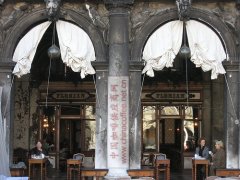
A brief History of World Coffee (3)
An English coffee shop was born in Boston in 1688. Coffee cultivation began in 1696 from the Netherlands and western India to Java. Coffee was successfully cultivated on the Dutch island of Java in 1699. In 1706, cafes in Java shipped goods to the Netherlands for the first time. At the same time, the seedlings were sent together and planted in the Amsterdam Botanical Garden. In 1720, F in Venice
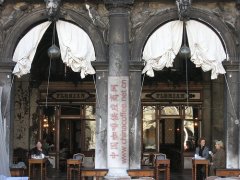
World Coffee-3
An English coffee shop was born in Boston in 1688. Coffee cultivation began in 1696 from the Netherlands and western India to Java. Coffee was successfully cultivated on the Dutch island of Java in 1699. In 1706, cafes in Java shipped goods to the Netherlands for the first time. At the same time, the seedlings were sent together and planted in the Amsterdam Botanical Garden. In 1720, F in Venice

Dirkley's "Father of Coffee trees in Central and South America"
In the middle of the 18th century, cafes were opened in major cities in Europe, and the huge demand for coffee led to the popularity of growing coffee in Central America. At present, most of the Tibica coffee trees in Central America are related to the coffee mother tree transplanted by Deckley. In 1777, 19 million coffee trees were planted on Martinique Island alone. Haiti, Puerto Rico and Cuba in the Caribbean followed suit to grow coffee.

Careless cultivation of St. Helena Coffee in Britain
-○ May 21, 2000, when the battleship of Portuguese Captain Joao da Nova was returning northward from the Cape of good Hope and crossing the vast expanse of the South Atlantic Ocean, a sudden warning came from the sentinel that he had found land. Nova ordered to sail to this unknown island that had never been found to find out. The island is surrounded by cliffs, providing the best natural insurance for protecting the island, and there is only one place on the island.

St. Helena Coffee Island Coffee beans individual Coffee delicious Coffee
Boutique coffee is fresh coffee. Whether it's food or drink, of course, the fresh the better, and so is boutique coffee. High-quality coffee should keep the coffee beans fresh before making, including the preservation of baked beans, and grind the coffee beans into powder before making, which is also to retain its original and best flavor. And the way of making hand-made coffee is such a way to make high-quality coffee.

Dirkley-- the Father of Coffee trees in Central and South America
In the middle of the 18th century, cafes were opened in major cities in Europe, and the huge demand for coffee led to the popularity of growing coffee in Central America. At present, most of the Tibica coffee trees in Central America are related to the coffee mother tree transplanted by Deckley. In 1777, 19 million coffee trees were planted on Martinique Island alone. Haiti, Puerto Rico and Cuba in the Caribbean followed suit to grow coffee.
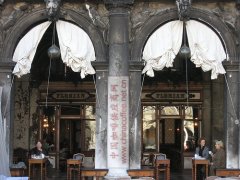
Coffee Culture World Coffee History Development process 3
An English coffee shop was born in Boston in 1688. Coffee cultivation began in 1696 from the Netherlands and western India to Java. Coffee was successfully cultivated on the Dutch island of Java in 1699. In 1706, cafes in Java shipped goods to the Netherlands for the first time. At the same time, the seedlings were sent together and planted in the Amsterdam Botanical Garden. In 1720, F in Venice
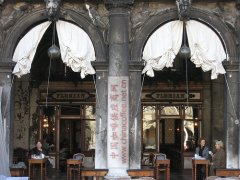
World Coffee Coffee in the history of the world 3
In 1688, the English-style coffeehouse was born in Boston. In 1696, coffee cultivation began from Holland, western India to Java. In 1699, coffee was successfully cultivated in Java, Netherlands. In 1706 Java cafes shipped their first cargo to Holland. At the same time, the seedlings were sent along and planted in the Amsterdam botanical garden. Venice, 1720 F